
Gear & Home is reader-supported. As an Amazon Associate I earn from qualifying purchases. When you buy through links on our site, we may earn an affiliate commission, at no extra cost to you. Learn more.
Category: Gear | Type: Top Picks | Focus: Ultralight Equipment
Last updated: July 2026
Why a Sub-1-lb Hammock Is the Easiest 2–3 Pounds You’ll Ever Drop
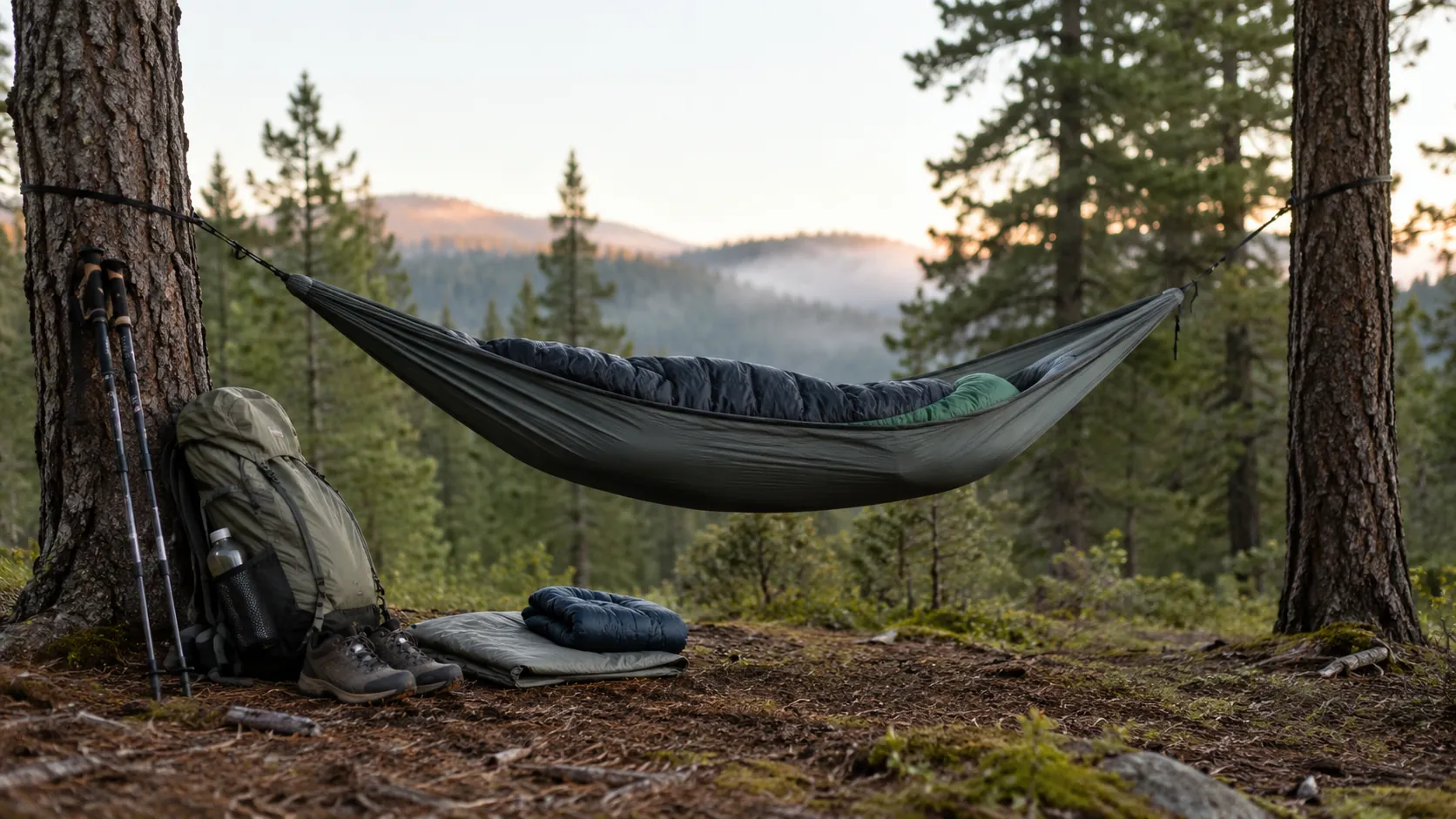
If your base weight is stuck and your tent is the heaviest thing in your pack, the math is simple: a solo shelter often becomes one of the biggest opportunities to save weight. Switching to one of the best backpacking hammocks under 1 lb can cut serious ounces from your pack without giving up a comfortable night’s sleep – and often while gaining comfort, since there’s no root-riddled ground to fight.
The catch is that ultralight hammocks vary widely in width, fabric feel, durability margin, and included hardware. The wrong pick can mean cold shoulders, midnight shoulder squeeze, or a fragile setup that needs more care than you expected. This is a research-based buying guide, not a hands-on lab test: we reviewed public product specifications, manufacturer information, retailer listings, and recurring owner-reported themes from outdoor retail platforms and backpacking communities.
One honest reality check most roundups skip: almost no hammock in this weight class includes suspension straps. Budget extra weight and cost for straps – we flag the hardware differences below so you know what still needs to be added before your first hang.
Quick answer: The ENO Sub6 (5.8 oz) is the best all-around ultralight hammock for most backpackers who want the lowest practical weight from a mainstream brand. Side sleepers and taller hikers should step up to the ENO SuperSub (9.8 oz, DoubleNest width), and value-focused buyers should look at the Grand Trunk Nano 7 – the only pick here that ships with carabiners.
Quick Comparison: Ultralight Hammocks Under 1 lb
| Hammock | Weight | Dimensions | Capacity | Fabric | Hardware included | Price tier |
|---|---|---|---|---|---|---|
| ENO Sub6 | 5.8 oz | 9′ × 4′ | 300 lbs | 30D ripstop nylon | Aluminum toggles | $$ |
| Kammok Roo Single UL | 5.9 oz | ~8’4″ × 4’2″ | 300 lbs | Levitas 20D ripstop | Toggles | $$ |
| ENO SuperSub | 9.8 oz | 9′ × 6’6″ | 300 lbs | 30D ripstop nylon | Aluminum toggles | $$ |
| Grand Trunk Nano 7 | 7.3 oz | 9′ × 4′ | 300 lbs | 1.5 oz ripstop nylon | Wiregate carabiners | $ |
| Kammok Roo Single | 10 oz | ~10′ × 4’7″ | 500 lbs | GravitasX 40D ripstop | Kanga Claw carabiners | $ |
Price tiers are broad comparison markers, not live prices. Check the retailer for current pricing and availability. Weights are for the hammock body unless otherwise noted; straps are sold separately unless noted.

How We Picked
We don’t field-test gear ourselves. Instead, we compared published product specifications, brand documentation, retailer listings, and repeated owner-reported themes around comfort, setup, durability, and long-trip use. We prioritized hammocks that are light enough for backpacking, specific enough to compare by published specs, and practical enough to pair with real-world suspension systems.
Our criteria: published weight and packed size, usable sleep width, fabric denier and durability margin, included hardware, setup simplicity, weight capacity, and the type of backpacker each hammock best serves. Product availability can change, so always use the retailer link to confirm current availability before planning a kit around a specific model.
Top 5 Backpacking Hammocks Under 1 lb
1. ENO Sub6 – Lightest Mainstream Pick for Thru-Hikers (5.8 oz)
The problem the Sub6 solves is the classic gram-counter’s dilemma: how do you carry a real bed without your shelter system ballooning past a pound? At 5.8 oz, the Sub6 is ENO’s lightest hammock, making it one of the most practical low-weight picks from a mainstream hammock brand. The 30D ripstop body with Silverlite cord and anodized aluminum toggles keeps the hammock body minimal, while the toggle system pairs with ENO’s Helios straps for a very light sleep suspension.
Weight: 5.8 oz | Dimensions: 9′ × 4′ | Capacity: 300 lbs | Material: 30D ripstop nylon, Silverlite cord | Best for: Thru-hikers and gram-counters who want the lightest hammock from a mainstream brand
Pros
- Very low published weight for a mainstream backpacking hammock
- Aluminum toggle attachment saves carabiner weight and keeps setup simple
- 30D ripstop nylon gives a better durability margin than thinner 20D ultralight fabrics
Cons
- The narrow 4-ft width is less forgiving for side sleepers and taller hikers than wider hammocks
- The lightweight fabric still needs careful site selection to avoid snags and abrasion
2. Kammok Roo Single UL – Softest-Feeling Ultralight Option (5.9 oz)
Many 20D ultralight fabrics can feel crisp or slippery against bare skin – a small annoyance on night one that becomes more noticeable on longer trips. Kammok’s Roo Single UL is built with Levitas 20D ripstop, a fabric positioned around low weight and a softer hand feel. A DWR coating helps shed light moisture, eight gear loops keep a headlamp and quilt clips in reach, and the toggle-and-loop suspension works well for lightweight builds.
Weight: 5.9 oz | Dimensions: ~8’4″ × 4’2″ | Capacity: 300 lbs | Material: Levitas 20D ripstop nylon with DWR | Best for: Comfort-focused ultralighters and sensitive sleepers cutting weight
Pros
- One of the lightest hammocks in this group by published weight
- Eight gear loops simplify underquilt and accessory attachment
- Good fit for careful users who prioritize low pack weight and fabric feel
Cons
- Shortest hammock in this roundup, so hikers over about 6 ft may prefer a longer or wider model
- 20D fabric demands more care around sharp bark, brush, pets, and rough campsites
3. ENO SuperSub – Best for Side Sleepers and Taller Hikers (9.8 oz)
The most common tradeoff with sub-6-oz hammocks is shoulder squeeze: a 4-ft-wide panel can force a narrow, banana-shaped lay that side sleepers and taller hikers feel quickly. The SuperSub fixes that by pairing Sub-series fabric and toggles with the full 6’6″ width of ENO’s DoubleNest. If you’re replacing a tent for full nights of sleep rather than trail naps, this width is often worth the extra weight.
Weight: 9.8 oz | Dimensions: 9′ × 6’6″ | Capacity: 300 lbs | Material: 30D ripstop nylon, Silverlite cord | Best for: Side sleepers, hikers over 6 ft, and anyone hammock-camping full-time
Pros
- DoubleNest width makes a flatter diagonal lay easier than narrow 4-ft hammocks
- Same low-weight toggle concept as the Sub6
- Better comfort margin for full-night hammock sleep
Cons
- Nearly double the Sub6’s body weight and bulk
- Overkill if you only use a hammock for short camp lounging or occasional naps
4. Grand Trunk Nano 7 – Best Value Pick, Carabiners Included (7.3 oz)
Trying hammock camping shouldn’t require a premium setup before you know you like sleeping in a curve. The Nano 7 is the value entry in this group: 7.3 oz, triple-lock stitched seams rated to 300 lbs, and – unique in this roundup – two ultralight wiregate carabiners in the box, so you only need straps to hang it. It is a simple, compact way to test an ultralight hammock system without committing to a more specialized setup.
Weight: 7.3 oz | Dimensions: 9′ × 4′ | Capacity: 300 lbs | Material: 1.5 oz breathable ripstop nylon | Best for: Budget kits, first-time hammock campers, backup shelter
Pros
- Strong value for the published weight
- Only hammock in the roundup that includes carabiners
- Packs to 6″ × 4″, making it easy to carry as a backup or camp comfort item
Cons
- The narrow cut is less comfortable for long nights than wider hammocks
- Best suited to smaller users, short trips, warm-weather lounging, or first-time hammock testing
5. Kammok Roo Single – Most Durable Under 1 lb (10 oz)
If your camps involve gravel bars, brushy shorelines, or a dog who thinks the hammock is his, the lightest 20D fabrics may not be the smartest choice. The Roo Single adds weight over the UL model but brings GravitasX 40D diamond ripstop and a 500 lb rating – the highest capacity in this roundup by a wide margin. It ships with Kammok’s Kanga Claw carabiners, uses the same eight gear loops as the UL version, and fits backpackers who want more durability margin while still staying under 1 lb for the hammock body.
Weight: 10 oz | Dimensions: ~10′ × 4’7″ | Capacity: 500 lbs | Material: GravitasX 40D diamond ripstop (100% recycled nylon) | Best for: Heavier hikers, rough campsites, buy-it-once durability
Pros
- 500 lb capacity and 40D fabric give the biggest durability margin in this group
- Carabiners included; water-resistant roll-top stuff sack attached
- Better choice than 20D hammocks for rougher campsites and less delicate handling
Cons
- At 10 oz it’s the heaviest pick here
- True gram-counters may prefer carrying a lighter hammock and accepting more careful handling
How to Choose a Hammock Under 1 lb
Five factors decide whether an ultralight hammock becomes your favorite piece of gear or a returned package:
- Width beats weight for sleep quality. A 4-ft panel is fine for naps and minimalist kits; for full nights, especially as a side sleeper, the jump to a 5–6.5 ft width (like the SuperSub) matters more than any other spec.
- Fabric denier is your durability dial. 20D is for careful owners on clean sites; 30D is the sensible middle; 40D (Roo Single) gives more protection against rough handling and abrasion.
- Suspension is a hidden cost. Only the Nano 7 and Roo Single include carabiners, and no pick includes tree straps. Add strap weight to your real kit weight, and check strap compatibility – ENO’s toggle system pairs with Helios straps, while carabiner-based hammocks accept many daisy-chain straps.
- Capacity with margin. Ratings of 300 lbs are standard; if you’re near the limit or carry gear in the hammock, the Roo Single’s 500 lb rating is the safer call.
- Attachment hardware affects setup speed. Toggles are lighter; carabiners are more forgiving with mixed-brand straps. Neither requires knots.

Completing the Sleep System
The hammock body is only one part of the sleep system. Insulation is where hammock setups are won or lost, because compressed insulation under your back does almost nothing. Below roughly 65°F you’ll want an underquilt or a sleeping pad inside the hammock; our R-value guide explains how much insulation different temperatures actually demand. Add tree straps, a top quilt or bag, and a rain tarp – see our roundup of the best lightweight tarps for camping shelters, several of which are cut specifically for hammocks. For the full picture of layering bags, quilts, and pads, our complete backpacking sleep system guide walks through every combination.
Fully equipped, a hammock system can still undercut a comparable tent setup by meaningful weight – especially on forested routes where trees are reliable. And if you’re trimming elsewhere too, our camping tools under 100 g roundup covers the small stuff.
Where Sub-1-lb Hammocks Shine (and Where They Don’t)
Forested trail corridors are ideal hammock country: anchor points are common, uneven ground matters less, and a fast-drying hanging shelter can feel better than a tent in humid weather. Budget setups and “just in case” carries are the Nano 7’s territory, while rougher campsites and heavier loads favor the 40D Roo Single over thinner ultralight fabrics.
The honest limits: above the treeline, in deserts, and on grasslands, anchor points disappear – bring a plan B or choose a ground shelter for those routes. And in real cold, hammocks demand more insulation strategy than pads on the ground. Once your kit is sorted, our guide on how to pack a backpack shows where a hammock system rides best in your pack.

Care Tips That Actually Extend Hammock Life
- Sweep or check the hang zone for sharp branches before every setup – snags cause more failures than weight ever does.
- Hand wash with mild soap; never machine-dry ultralight nylon.
- Dry fully before storage and store loose, not compressed, to prevent mildew.
- Inspect end channels and stitching before each trip – the gathered ends carry all the load.
- Limit UV exposure; sun degrades thin nylon faster than use does.

Bottom Line
For most backpackers who want the lightest practical hammock body from a mainstream brand, the ENO Sub6 is the pick. Choose the Kammok Roo Single UL if fabric feel drives your sleep quality, the ENO SuperSub if you sleep on your side or stand over 6 ft, the Grand Trunk Nano 7 if you’re testing the waters on a budget, and the Kammok Roo Single if durability and capacity outrank grams. Match the hammock to how you actually sleep – not to the lowest number on the spec sheet.
FAQ: Ultralight Hammocks for Backpacking
Can I sleep overnight in an ultralight hammock comfortably?
Yes – many backpackers use hammocks as overnight shelters. The key is lying diagonally across the fabric, which flattens the surface. Wider models like the ENO SuperSub make the diagonal lay much easier, and you’ll need an underquilt or pad for insulation below about 65°F.
Do these hammocks come with tree straps?
No – none of the picks include tree straps, and only the Grand Trunk Nano 7 and Kammok Roo Single include carabiners. Budget extra weight and cost for straps at least 0.75″ wide to protect tree bark, which many parks require.
Why are some well-known ultralight hammocks missing?
We focused on models with clear published specifications, practical backpacking weight, and retailer availability that readers can check directly. Some older or boutique ultralight hammocks may be excellent, but if availability is inconsistent or current specifications are hard to verify, we leave them out rather than build a recommendation around uncertain data.
Are sub-1-lb hammocks safe for heavier hikers?
Most are rated to 300 lbs, but you should always leave margin and follow the manufacturer’s setup instructions. If you’re near the limit or want extra headroom, the Kammok Roo Single is rated to 500 lbs thanks to its 40D fabric – the highest capacity in this weight class.
How cold is too cold for hammock camping?
The hammock itself has no temperature limit – insulation does. Compressed sleeping bag insulation under your back loses most of its warmth, so below roughly 65°F you need an underquilt or a sleeping pad inside the hammock. With proper insulation, hammock camping can work in cold conditions, but the system needs more planning than a basic ground setup.
Do ultralight hammocks last as long as heavier ones?
Usually not if they are treated the same way. Fabric denier is the main factor: 40D models like the Roo Single tolerate rougher use, while 20D fabrics demand careful site selection and snag awareness. Most avoidable failures come from sharp objects, over-tightened hangs, UV exposure, and poor storage rather than normal sleeping loads.
Can I use a hammock above the treeline?
Only with a backup plan – trees or solid anchor points are required, and alpine zones rarely offer them. For routes that cross open terrain, carry a tarp you can pitch with trekking poles as a ground shelter, or choose a tent for that trip.