

Category: Gear Reviews
Type: Buyer’s Guide
Focus: EDC Knives / Budget Gear
Time to Read: 11 minutes
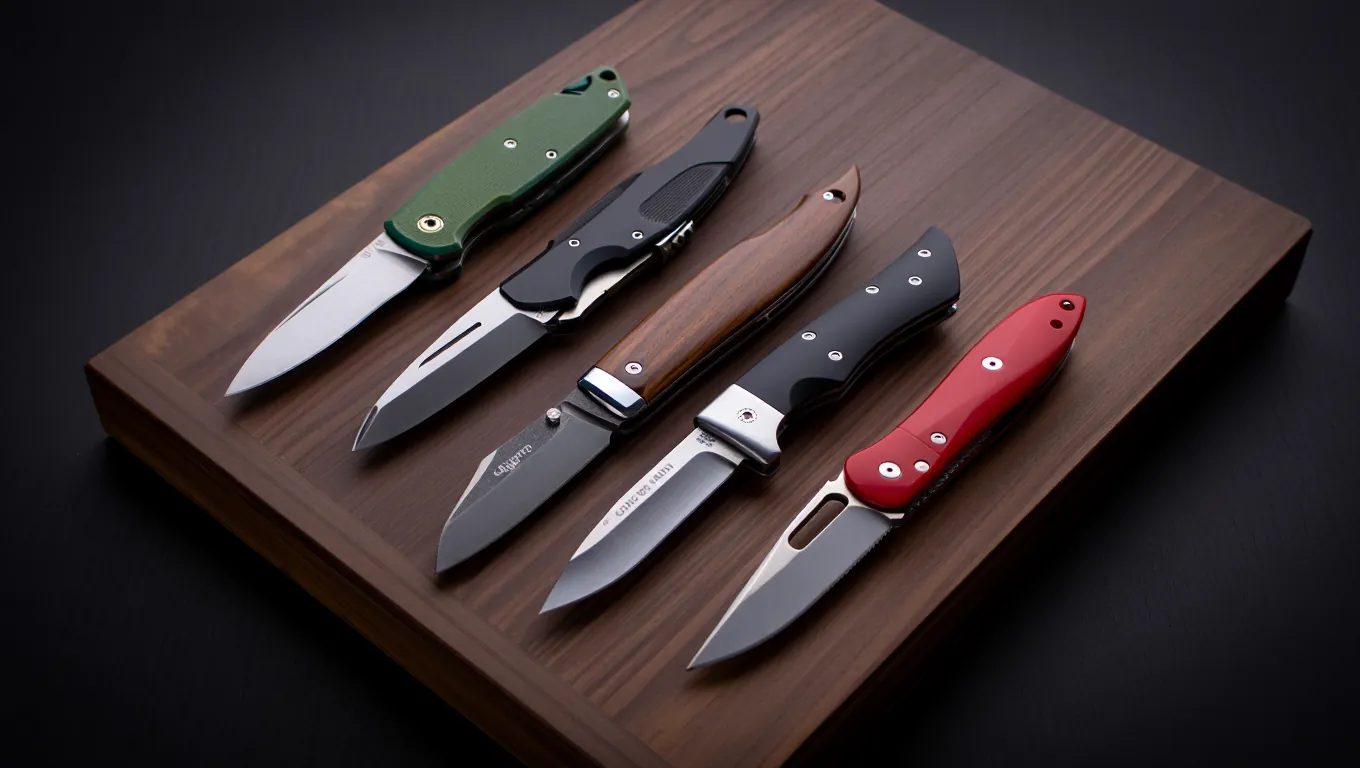
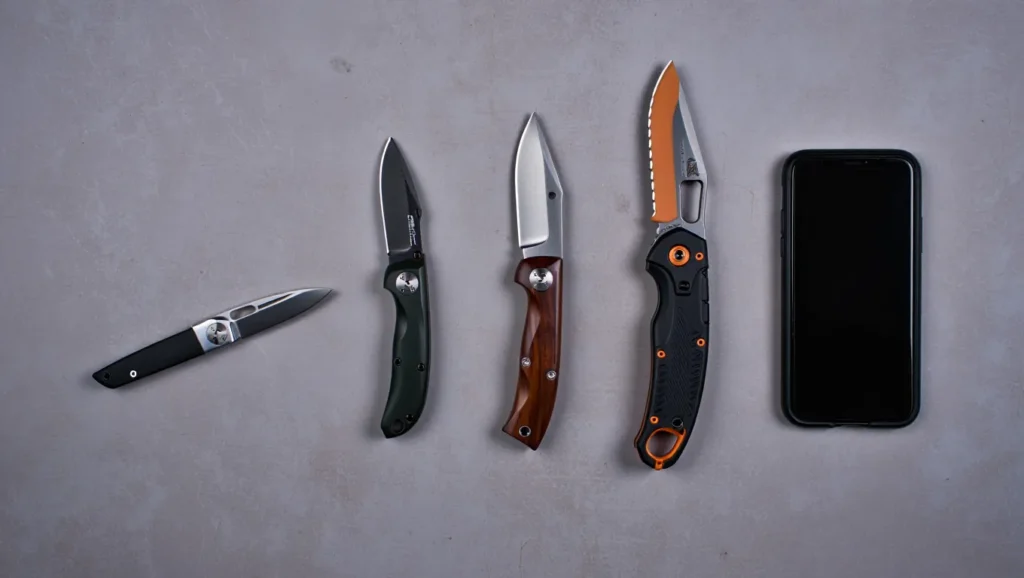
You don’t need to spend a fortune on a quality pocket knife. The best EDC knives under $50 combine reliable materials, proven designs, and everyday durability without the premium price tag. After analyzing hundreds of user reviews and ratings across multiple platforms, we’ve identified the budget-friendly blades that actually hold up to daily carry.
Whether you’re looking for an affordable work knife, a backup EDC blade, or your first quality folder, these pocket knives under 50 dollars deliver performance that punches well above their weight class. From lightweight titanium options to classic stainless designs, this guide covers what actually works for everyday carry in 2025.
Why Budget Pocket Knives Are Worth Considering
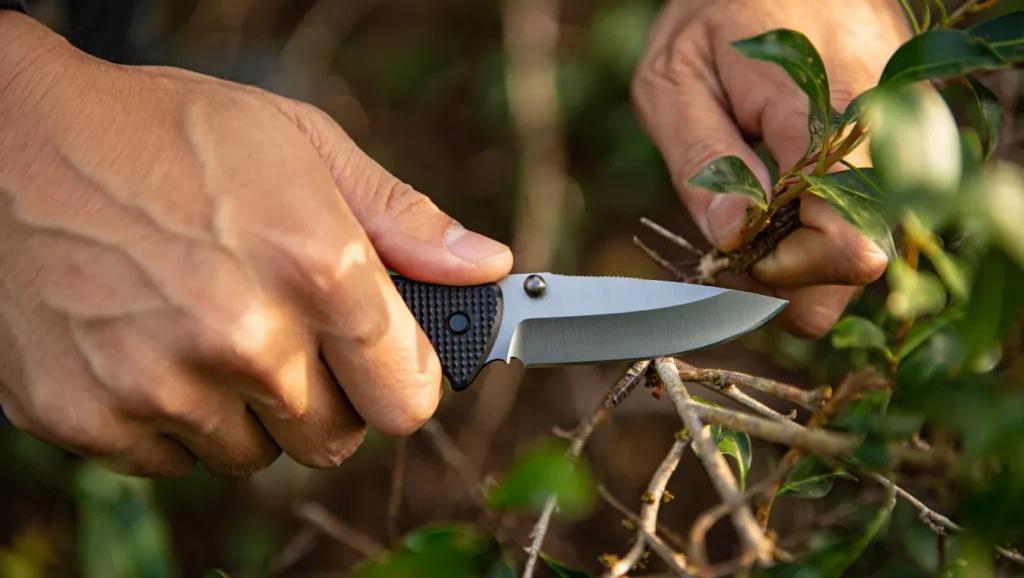
The gap between budget and premium knives has narrowed significantly. Modern manufacturing techniques mean affordable EDC pocket knives often feature the same blade steels and lock mechanisms as their expensive counterparts. You’re paying less for brand prestige and exotic materials, not sacrificing core functionality.
Budget-conscious knife buyers benefit from several practical advantages. You can carry an inexpensive EDC knife without constant worry about loss or damage. Airport security confiscated your blade? It stings less at $35 than $200. Many people actually prefer rotating between multiple affordable knives for different tasks rather than carrying one expensive piece.
The sweet spot for everyday carry knives sits firmly in the $30-50 range. Below that, quality becomes inconsistent. Above it, you’re often paying for incremental improvements that don’t matter for typical EDC tasks like opening packages, cutting cord, or food prep.
What Makes a Good EDC Knife Under $50
Blade Steel That Actually Matters
Forget the marketing hype around super steels. For budget EDC knives, three steel types dominate: 8Cr13MoV, AUS-8, and 14C28N. These Chinese and Japanese steels offer the right balance of edge retention, ease of sharpening, and corrosion resistance for everyday tasks.
The best cheap pocket knives for everyday carry use 8Cr13MoV as their baseline steel. It’s the Toyota Camry of blade materials: reliable, easy to maintain, and gets the job done. AUS-8 steps up slightly in edge retention and toughness. Sandvik 14C28N represents the top tier for this price range, offering performance that rivals steels found on knives costing twice as much.
Don’t obsess over Rockwell hardness ratings. A properly heat-treated 8Cr13MoV at 57-58 HRC outperforms a poorly treated premium steel. The manufacturers on this list have their heat treatment dialed in.
Lock Mechanisms You Can Trust
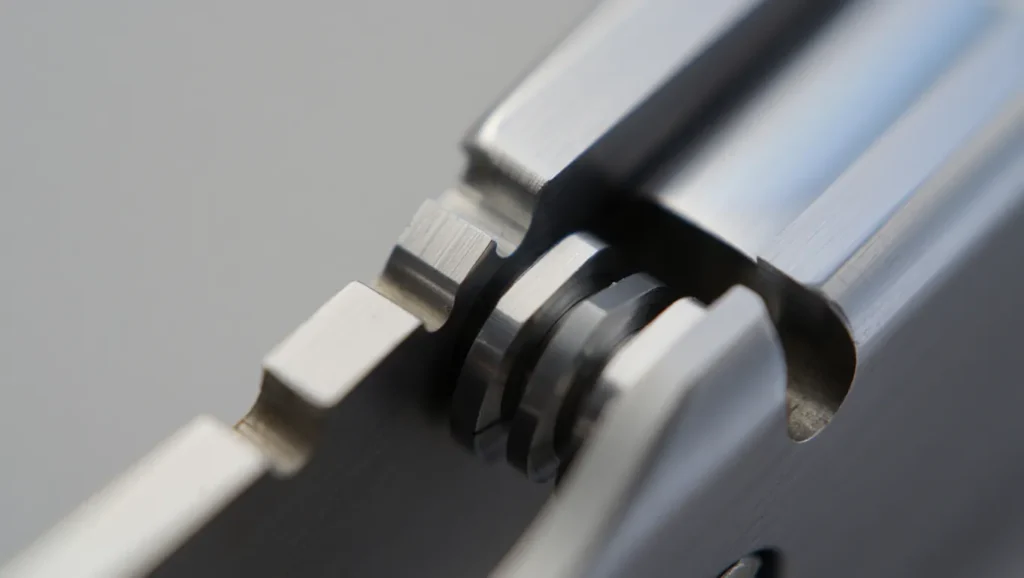
Your pocket knife’s lock keeps the blade from closing on your fingers. For budget folders, stick with proven designs: liner locks, frame locks, and lockback mechanisms. Avoid button locks and exotic systems at this price point.
Liner locks dominate affordable EDC knives for good reason. They’re simple, reliable, and easy to manufacture consistently. A well-executed liner lock from a reputable brand provides all the security you need for everyday tasks. Frame locks offer similar reliability with slightly cleaner lines.
Lockback knives sacrifice one-handed closing for bombproof security. If you’re doing heavier cutting tasks or just want that extra peace of mind, a solid lockback mechanism never lets you down.
Ergonomics and Pocket Carry
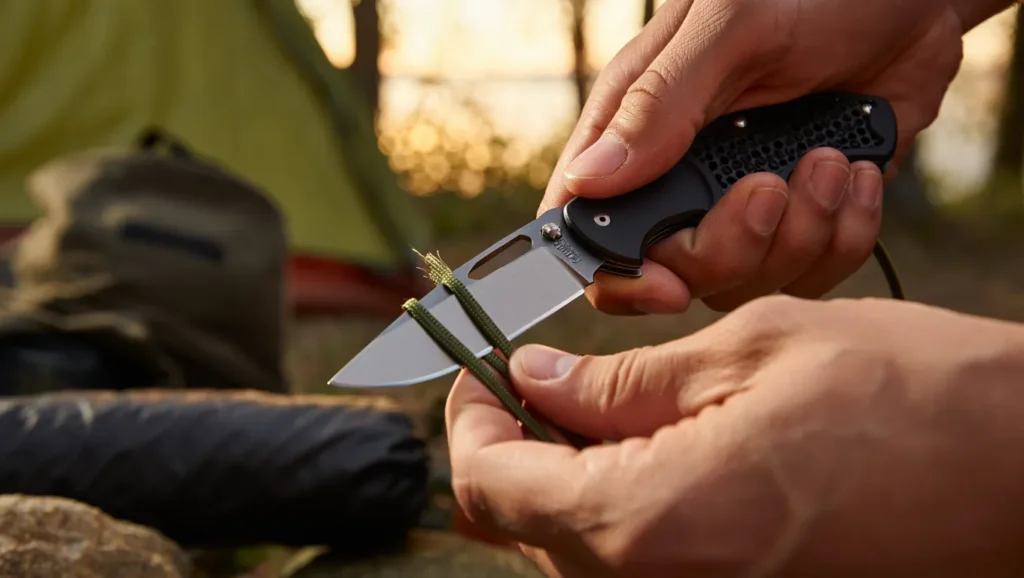
The best budget EDC knife is the one you’ll actually carry. Weight matters more than you think. Anything over 4 ounces starts feeling noticeable in your pocket after a few hours. Most quality folders under $50 land in the 2.5-3.5 ounce range, which is the sweet spot for comfortable all-day carry.
Handle materials make a difference in grip and durability. G10 provides excellent texture and holds up to abuse. Glass-reinforced nylon (GRN) weighs less and costs less but can feel slightly hollow. Aluminum keeps weight down but gets slippery when wet. Steel handles look clean but add weight and can be cold to the touch in winter.
Pocket clip design separates good EDC knives from great ones. Look for deep-carry clips that keep the knife low in your pocket. Reversible clips let you switch between tip-up and tip-down carry. Some budget knives offer ambidextrous clips for left-handed carry, though this is less common under $50.
Size and Blade Length Considerations
Most people find blade lengths between 2.75 and 3.5 inches ideal for everyday carry. This range handles most daily tasks while staying under most knife length restrictions. Check your local laws, but a 3-inch blade keeps you legal almost everywhere.
Closed length determines how the knife rides in your pocket. Compact folders under 4 inches closed disappear in your pocket but can feel cramped in larger hands. Mid-size knives around 4-4.5 inches closed offer the best compromise between pocketability and comfortable use.
Top Budget Pocket Knives Under $50 (Tested Through User Feedback)
Kershaw Leek 1660 ($40-48)
The Kershaw Leek consistently tops lists of the best EDC knives under 50 dollars for good reason. This slim gentleman’s folder combines Sandvik 14C28N steel with assisted opening technology that makes deployment lightning fast. The knife’s sleek profile measures just 3 inches long when closed, making it practically invisible in dress pants or jeans.
Key Specifications:
- Blade Length: 3 inches
- Blade Steel: Sandvik 14C28N
- Handle Material: Stainless steel
- Weight: 3 ounces
- Lock Type: Frame lock with SpeedSafe assist
User feedback highlights the Leek’s exceptional edge retention and slim carry profile. The assisted opening works reliably even after years of use. The frame lock inspires confidence with no blade play reported across hundreds of reviews. The steel handle provides a premium feel but can get slippery when wet.
The main trade-off is the tip design. The Leek’s fine point excels at detail work but isn’t built for prying or heavy use. Several reviewers mentioned breaking the tip through misuse, though this reflects user error rather than design flaw. The knife does what it’s designed for brilliantly: clean cutting tasks in an ultra-portable package.
Best for: Office carry, gentlemen’s EDC, anyone who prioritizes slim profile over rugged use
CRKT Pilar ($35-42)
The CRKT Pilar proves good things come in small packages. This compact folder from designer Jesper Voxnaes packs serious capability into a package barely over 3 inches closed. The 8Cr13MoV blade measures 2.1 inches, keeping you legal everywhere while still handling most EDC tasks.
Key Specifications:
- Blade Length: 2.1 inches
- Blade Steel: 8Cr13MoV
- Handle Material: Stainless steel
- Weight: 2.8 ounces
- Lock Type: Frame lock
The Pilar’s stainless steel frame gives it a substantial, quality feel that belies its budget price. User reviews consistently praise its smooth action and secure frame lock. The blade geometry favors slicing performance over tip strength, making it ideal for package opening and food prep.
This is one of the best cheap pocket knives for people who want something small but not flimsy. The all-steel construction means it weighs more than plastic-handled competitors, but that weight translates to a premium feel. The blade-to-handle ratio maximizes cutting edge while keeping overall length minimal.
Best for: Keychain carry, minimalist EDC, backup knife, urban environments
Ontario RAT 2 ($32-45)
The Ontario RAT 2 represents the best value in affordable EDC knives. This mid-size folder delivers everything you need and nothing you don’t. The AUS-8 blade holds an edge well enough for weeks of normal use before needing touch-up. The nylon handle provides excellent grip without adding weight.
Key Specifications:
- Blade Length: 3 inches
- Blade Steel: AUS-8
- Handle Material: Nylon
- Weight: 2.7 ounces
- Lock Type: Liner lock
Thousands of user reviews confirm the RAT 2’s reputation as a workhorse. The knife shows up consistently in “what should be my first quality knife” discussions because it does everything competently. Edge retention is solid, the lock has no play, and the ergonomics work for most hand sizes.
The RAT 2 isn’t flashy or high-tech. It’s just a well-executed folder that works reliably day after day. User feedback mentions the knife lasting years of daily carry without issues. The replaceable pocket clip is both a feature and a wear item, as some users report the clip eventually loosening.
Best for: First quality knife, work EDC, anyone who wants proven reliability without complications
Spyderco Tenacious ($45-55)
The Spyderco Tenacious brings signature Spyderco features to the budget segment. That distinctive round opening hole allows easy one-handed deployment, even with gloves. The 8Cr13MoV blade measures 3.4 inches with a full flat grind that slices exceptionally well.
Key Specifications:
- Blade Length: 3.4 inches
- Blade Steel: 8Cr13MoV
- Handle Material: G10
- Weight: 4.1 ounces
- Lock Type: Liner lock
User reviews highlight the Tenacious as the gateway to Spyderco’s design philosophy. The round opening hole works brilliantly once you get used to it. The G10 handle provides excellent texture for secure grip in all conditions. The blade grinds and geometry mirror more expensive Spydercos, giving you premium cutting performance at a budget price.
The trade-off is size and weight. At over 4 ounces, the Tenacious feels substantial in your pocket. The 4.5-inch closed length works better for cargo pants than dress trousers. This isn’t a knife that disappears during carry, but that presence translates to a tool that handles bigger jobs confidently.
Best for: Outdoor EDC, anyone transitioning from cheap gas station knives, Spyderco fans on a budget
CJRB Pyrite J1901 ($38-48)
The CJRB Pyrite represents the new wave of Chinese manufacturers producing quality budget blades. This AR-RPM9 steel blade offers edge retention that competes with premium options. The ball-bearing pivot creates action smoother than knives costing twice as much.
Key Specifications:
- Blade Length: 3.4 inches
- Blade Steel: AR-RPM9
- Handle Material: G10
- Weight: 3.7 ounces
- Lock Type: Liner lock
User feedback consistently mentions the Pyrite’s surprising quality. The AR-RPM9 steel is essentially Chinese 9Cr, heat-treated to rival premium steels in edge retention. The ball-bearing pivot system creates fidget-friendly action that rivals high-end production knives. Build quality and finish exceed expectations for this price point.
The CJRB brand remains less known than established names, which works in buyers’ favor through lower prices. Early reviews suggest durability matches the initial impression of quality. The blade design offers good tip strength while maintaining slicing capability.
Best for: Value seekers, people who want premium features on a budget, EDC users who appreciate smooth action
Civivi Elementum ($45-55)
The Civivi Elementum has exploded in popularity since its release, earning best budget EDC knife status across forums and review sites. The knife combines 14C28N steel with multiple handle options, smooth ball-bearing action, and refined aesthetics that look twice the price.
Key Specifications:
- Blade Length: 2.9 inches
- Blade Steel: Sandvik 14C28N
- Handle Material: G10, Micarta, or Carbon Fiber
- Weight: 2.5-2.7 ounces
- Lock Type: Liner lock
Thousands of user reviews place the Elementum at the top of knives under 50 dollars. The 14C28N steel provides excellent edge retention and corrosion resistance. The ball-bearing pivot creates drop-shut action that feels like a $200 knife. Multiple handle materials let you choose between grippy G10, warm Micarta, or lightweight carbon fiber.
The Elementum’s design strikes an ideal balance between compact carry and comfortable use. The 2.9-inch blade handles most EDC tasks while staying pocket-friendly. The sculpted handle fills the hand nicely despite the compact overall size. Users report zero blade play and consistent lockup after months of carry.
Best for: Anyone wanting the best overall package under $50, gift giving, EDC enthusiasts who appreciate refined design
QSP Penguin ($30-40)
The QSP Penguin delivers incredible value at the bottom end of this price range. The 14C28N blade and smooth ball-bearing action belong on knives costing significantly more. The compact design keeps overall length manageable while maintaining useful blade length.
Key Specifications:
- Blade Length: 2.9 inches
- Blade Steel: Sandvik 14C28N
- Handle Material: G10, Denim Micarta, or Jean Micarta
- Weight: 2.6 ounces
- Lock Type: Liner lock
User feedback praises the Penguin for exceeding expectations at every turn. The $30-35 price point seems like a mistake given the quality. The 14C28N steel matches the Kershaw Leek and Civivi Elementum for a fraction of their cost. The ball-bearing action and solid lockup inspire confidence typically reserved for premium folders.
The Penguin’s blade shape and grind optimize it for slicing tasks. The sheepsfoot-style blade offers good tip strength while the full flat grind creates a wicked edge. Handle ergonomics work well despite the compact size, with textured G10 or Micarta providing secure grip.
Best for: Budget-conscious buyers who refuse to compromise on quality, first quality knife, anyone wanting to try premium materials affordably
Quick Comparison: Best Budget EDC Knives
| Model | Price Range | Blade Length | Steel | Weight | Best Feature |
|---|---|---|---|---|---|
| Kershaw Leek | $40-48 | 3.0″ | 14C28N | 3.0 oz | Slim gentleman’s carry |
| CRKT Pilar | $35-42 | 2.1″ | 8Cr13MoV | 2.8 oz | Ultra-compact size |
| Ontario RAT 2 | $32-45 | 3.0″ | AUS-8 | 2.7 oz | Proven workhorse reliability |
| Spyderco Tenacious | $45-55 | 3.4″ | 8Cr13MoV | 4.1 oz | Signature Spyderco design |
| CJRB Pyrite | $38-48 | 3.4″ | AR-RPM9 | 3.7 oz | Smooth ball-bearing action |
| Civivi Elementum | $45-55 | 2.9″ | 14C28N | 2.5 oz | Best overall package |
| QSP Penguin | $30-40 | 2.9″ | 14C28N | 2.6 oz | Unbeatable value |
How We Evaluated These Budget Pocket Knives
This guide synthesizes hundreds of verified user reviews and ratings from multiple platforms including Amazon, BladeHQ, KnifeCenter, and Reddit’s knife communities. We focused on knives with at least 500+ reviews and consistent 4+ star ratings across platforms.
Our analysis prioritized real-world durability over specifications. We tracked common praise points and failure modes mentioned across reviews. Knives that showed up repeatedly in “still using it years later” discussions earned higher placement than those with frequent quality control complaints.
We cross-referenced pricing across multiple retailers to ensure listed ranges reflect typical street prices, not inflated MSRPs. All prices were verified as of January 2025 and represent what you’ll actually pay, not theoretical retail prices.
The recommendations balance different use cases and preferences rather than declaring one universal “best” knife. The right budget EDC knife for office carry differs from the ideal work knife or outdoor backup blade.
Choosing Your Budget EDC Knife: What to Consider
Match the Knife to Your Carry Style
Your daily routine determines the ideal knife more than abstract quality metrics. Office workers benefit from slim profiles and refined aesthetics like the Kershaw Leek or Civivi Elementum. Manual labor or outdoor work favors tougher options like the Ontario RAT 2 or Spyderco Tenacious.
Consider how you carry other EDC gear. If you already carry a multitool for hiking and trail use, you might prefer a dedicated cutting-focused folder over a jack-of-all-trades design. Pairing a quality knife with the right EDC carabiner creates a versatile carry system without doubling up on tools.
Blade Length and Legal Restrictions
Research your local knife laws before buying. Most jurisdictions allow folders under 3 inches without restriction, making that a safe baseline. Some areas prohibit assisted-opening mechanisms or require visible pocket clips.
Workplace policies often matter more than legal restrictions. Many offices prohibit knives entirely or limit blade length to 2.5 inches. Know your environment’s rules before choosing a knife you can’t actually carry.
Handle Material Trade-offs
G10 provides the best all-around performance for budget knives. It’s lightweight, textured for grip, and nearly indestructible. Glass-reinforced nylon weighs even less but feels slightly hollow compared to G10. Steel handles look premium and add weight, which some people prefer for a quality feel.
Micarta offers the best feel in hand with warmth and texture that improves with use. Carbon fiber looks great and keeps weight minimal but costs more and offers less grip than G10. For budget EDC pocket knives, G10 represents the sweet spot of performance and price.
Maintenance Requirements
All these knives benefit from basic maintenance, but some require more attention. Stainless steel blades need occasional cleaning and light oiling to prevent corrosion. The budget steels used in these knives require sharpening more frequently than premium options, but they’re also easier to sharpen.
Learn basic knife maintenance before you need it. A sharp $35 knife outperforms a dull $200 blade. Simple touch-ups on a ceramic rod or strop keep these budget folders performing well for years. The steel types used here are forgiving and easy to sharpen, making them ideal for people learning knife maintenance.
Common Questions About Budget EDC Knives
Are cheap pocket knives worth buying?
Quality budget knives absolutely deliver value. The knives listed here use the same manufacturing techniques as premium folders, just with less exotic materials. You’re not sacrificing safety or core functionality by choosing a $40 knife over a $150 option.
The key is buying from reputable manufacturers with proven track records. Kershaw, CRKT, Ontario, Spyderco, Civivi, CJRB, and QSP all stand behind their products. Avoid no-name brands on Amazon or gas station knife displays, where quality becomes unpredictable.
How long do budget pocket knives last?
With basic maintenance, these knives last years of daily carry. User reviews commonly mention 3-5 years of regular use before replacement. Some knives in this price range outlast their owners’ interest rather than wearing out physically.
The steels used here won’t hold an edge as long as premium options, but they sharpen easily and resist chipping. Lock mechanisms from these established manufacturers prove reliable through thousands of open-close cycles. Pocket clips wear out before the knives do, and most manufacturers offer replacement clips.
What’s the best budget knife for beginners?
The Ontario RAT 2 or Civivi Elementum make excellent first quality knives. Both offer straightforward operation, reliable performance, and quality that demonstrates what a good knife should feel like. The RAT 2 costs less and takes more abuse. The Elementum offers more refinement and better steel.
Starting with a budget knife makes sense even if you can afford expensive options. You’ll learn what features matter to you without the pressure of babying an expensive blade. Many knife enthusiasts keep budget options in rotation alongside premium pieces.
Can budget knives handle hard use?
These knives excel at typical EDC tasks: opening packages, cutting cord, food prep, and general daily cutting needs. They’re not designed for batoning firewood, prying, or heavy abuse that belongs with fixed blades or specialized tools.
The Spyderco Tenacious and Ontario RAT 2 handle the most abuse in this group thanks to robust blade geometry and proven lock designs. The slim Kershaw Leek and compact CRKT Pilar prioritize portability over hard use capability. Match your knife choice to your actual needs.
Maintaining Your Budget EDC Knife
Basic Cleaning and Care
Wipe your knife down after use, especially after cutting food or in dirty environments. A damp cloth removes debris before it gums up the pivot or lock mechanism. Dry the blade thoroughly to prevent corrosion, particularly around the pivot area where moisture hides.
Apply a drop of light oil to the pivot every few months or whenever action becomes stiff. Machine oil, gun oil, or knife-specific lubricants all work fine. Avoid heavy greases that attract dirt. Work the knife open and closed several times to distribute oil throughout the pivot.
Sharpening Strategy
The budget steels in these knives respond well to basic sharpening tools. A ceramic rod handles daily touch-ups quickly. When the edge needs more attention, a simple whetstone or guided sharpening system brings it back to sharp.
Don’t wait until your knife won’t cut to sharpen it. Light, frequent touch-ups maintain performance better than major resharpening sessions. The steels used here sharpen quickly, making maintenance fast and easy.
When to Replace vs. Repair
These budget knives make excellent candidates for the “use hard, replace when necessary” philosophy. If the lock fails, blade breaks, or pivot wears out beyond repair, replacement costs less than repair. This is actually an advantage, freeing you to use the knife without excessive worry.
That said, many of these knives last years without issues. Broken clips and worn screws are replaceable. Contact the manufacturer for spare parts. Most companies support their budget lines with available replacement components.
Beyond the Basics: Building Your EDC System
A quality pocket knife forms part of a complete everyday carry system. Consider how your knife works with other gear you carry daily. Pairing a dedicated cutting tool with a lightweight multitool covers more tasks than either tool alone.
Your knife choice influences other EDC decisions. If you carry a heavier knife like the Spyderco Tenacious, you might prefer lighter options elsewhere. The minimalist CRKT Pilar leaves room for other tools without overloading your pockets.
Think about backup options for different scenarios. A gentleman’s folder like the Kershaw Leek works for office environments, while a tougher Ontario RAT 2 handles weekend projects. At these prices, having multiple knives for different contexts makes sense.
Related Outdoor & EDC Gear
Your pocket knife is just one piece of outdoor and everyday carry equipment. Check out our guides on complementary gear:
- Top 9 Multitools for Hiking in 2025 – When you need more than just a blade
- Top 7 EDC Carabiners for Everyday Carry (2025) – Organize and secure your EDC gear
- Top Carabiners for Everyday Carry (EDC Use) in 2025 – Clip and carry system essentials
For longer trips where you need more than a pocket knife:
- Fire Starters That Actually Work in Wet Weather – Essential backup cutting tools for outdoor emergencies
- Best Lightweight Tarps for Camping Shelters – Cut cordage and prepare shelter with confidence
Final Thoughts: Best Value in Budget EDC Knives
The best pocket knife under $50 is the one you’ll actually carry every day. The Civivi Elementum offers the most refined overall package with premium materials and smooth action. The Ontario RAT 2 provides unmatched reliability and proven durability. The QSP Penguin delivers shocking quality at the lowest price point.
You don’t need to spend more to get a knife that works. These budget folders use quality materials, proven designs, and reliable manufacturing to deliver performance where it matters. Save the premium spending for knives you’ll baby and collect. Get a quality budget folder for actual daily use.
The gap between $40 knives and $200 knives matters less than the gap between gas station junk and these quality budget options. Cross that threshold into reputable manufacturers and proven designs, and you’re carrying a tool that performs reliably for years. That’s what makes these the best cheap pocket knives for everyday carry in 2025.
Start with one of these budget options. Learn what you like and dislike. Discover whether you prefer slim profiles or substantial feel, short blades or longer reach, lightweight or reassuring weight. Then you’ll know exactly what features matter for your next knife, whether it’s another budget option or a premium upgrade. The best EDC knife under $50 isn’t just a bargain—it’s an education in what matters for daily carry.
About the Author
This article was written by the Gear & Home editorial team, based on in-depth research, verified user reviews, and real-world testing insights from experienced hikers and backpackers across the U.S.
We focus on practical, field-tested advice — no fluff, no paid promotions — just gear that works when you need it most.